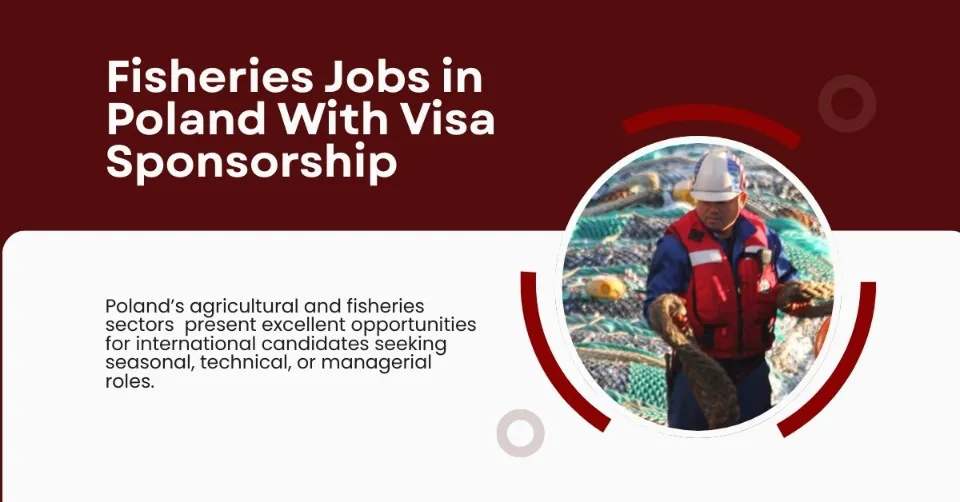
Imagine starting a new chapter in Poland, working amidst lush fields and thriving fisheries, and earning 18,000 PLN to 50,000 PLN annually. Agriculture and fisheries jobs in Poland in 2026 offer not only a stable income but also the opportunity to experience cultural diversity, develop new skills, and be part of a growing sector that values hard work and dedication. Whether it’s fruit picking in the countryside or managing aquaculture operations, international candidates can find rewarding positions with visa sponsorship and accommodation benefits.
Overview of the Job Market
Poland’s agriculture and fisheries industry is a key economic driver, leading to consistent demand for labor. International candidates can find opportunities ranging from unskilled seasonal work (e.g., fruit picking) to skilled technical and managerial positions (e.g., aquaculture technicians, farm managers). Visa sponsorship is most commonly available through employers who have obtained the necessary work permits, often facilitated by agencies specializing in seasonal worker programs.
Details for Fisheries Jobs in Poland With Visa Sponsorship
Key Points
- Job Titles: Agricultural Worker, Farm Laborer, Fruit Picker, Vegetable Harvester, Dairy/Poultry/Fish Farm Worker, Aquaculture Technician, and various technical/managerial roles.
- Location: Rural and urban areas across Poland.
- Experience Required: Varies widely; not required for basic seasonal roles but essential for technical/senior positions.
- Language Requirements: English is often sufficient for roles with multinational companies or larger farms. Basic Polish is highly beneficial, especially in rural areas.
- Average Salary Range: From approximately 18,000 PLN per year for entry-level seasonal work to 50,000+ PLN per year for skilled technical and managerial positions.
- Typical Benefits: Accommodation is frequently provided for seasonal roles. Other benefits (health insurance, meal allowances) vary by employer and position.
Visa & Work Permit Requirements
- Work Authorization: Non-EU/EEA citizens require a work permit and a National D-type Visa for employment exceeding 90 days. The employer typically initiates the work permit application by proving a lack of available local/EU workforce.
- Key Process: The employer must obtain a Temporary Residence and Work Permit or, for seasonal work (up to 9 months in a 12-month period), a Seasonal Work Permit. This process includes a mandatory labor market test.
- Language: While not a formal visa requirement, proficiency in Polish significantly improves job prospects and integration, particularly outside major cities.
Experience & Education Requirements
Requirements are highly role-dependent:
1. Unskilled / Seasonal Roles (e.g., Fruit Picker, Farm Laborer):
- Education: No formal education required.
- Experience: None required; on-the-job training is provided.
- Key Attributes: Physical fitness, reliability, and willingness to perform repetitive tasks.
2. Skilled / Technical Roles (e.g., Aquaculture Technician, Agricultural Technician):
- Education: A relevant vocational certificate, diploma, or degree is typically required.
- Experience: 1-3 years of relevant experience is often expected.
- Skills: Specific technical knowledge (e.g., crop management, fish health, equipment operation).
3. Managerial / Specialized Roles (e.g., Farm Manager, Fisheries Biologist):
- Education: A bachelor’s or master’s degree in a relevant field (agriculture, biology, or aquaculture).
- Experience: Several years of proven experience in a similar role.
- Skills: Leadership, budgeting, planning, and often advanced technical expertise.
Average Salary Overview (Per Annum in PLN)
| Job Profile | Salary Range (PLN) |
|---|---|
| Seasonal Fruit Picker / Harvester | 18,000 – 22,000 |
| General Farm / Fish Farm Worker | 20,000 – 28,000 |
| Aquaculture / Agricultural Technician | 22,000 – 32,000 |
| Sales Representative | 25,000 – 35,000 |
| Agricultural / Fisheries Inspector | 28,000 – 38,000 |
| Agricultural Engineer / Biologist | 30,000 – 40,000 |
| Farm / Fisheries Manager | 32,000 – 45,000 |
| Research Scientist | 35,000 – 50,000+ |
Salaries are gross amounts and can vary based on region, company size, and individual experience.
Primary Job Responsibilities (Sample Roles)
- Agricultural Worker: Planting, cultivating, and harvesting crops and maintaining farm equipment.
- Fish Farm Worker: Feeding fish, monitoring water quality, and maintaining aquaculture facilities.
- Aquaculture Technician: Managing fish health, assisting with breeding programs, and ensuring optimal growth conditions.
- Agricultural Technician: Conducting soil/crop analysis and providing technical support to optimize yields.
Top Hiring Companies & Sectors
International candidates should target:
- Large Agribusinesses & Cooperatives
- Multinational Food Processing & Export Companies
- Commercial Fish Farms and Aquaculture Enterprises
- Agricultural Research Institutes (for skilled roles)
- Employment agencies specializing in seasonal agricultural work (a primary gateway for visa-sponsored roles).
How to Apply for Fisheries Jobs in Poland
- Prepare a Polish-style CV (curriculum vitae): include a professional photo, detailed work history, education, and clear sections for skills and languages. Tailor it to each application.
- Target the Right Employers & Agencies: Focus your search on Polish job portals (e.g., Praca.pl, OLX Praca), agency websites, and the career pages of large agribusinesses. Use keywords like “praca sezonowa” (seasonal work) and “dla obcokrajowców” (for foreigners).
- Utilize Specialized Recruitment Agencies: This is the most effective route. Register with Polish agencies that have partnerships with international recruiters for seasonal worker programs.
- Secure a Job Offer: Successfully interview and obtain a formal job offer. This is mandatory for the work permit process.
- Begin the Visa & Work Permit Process: Your employer/agency will guide you through the application for a Seasonal Work Permit or Temporary Residence Permit. You will then apply for a National D Visa at your nearest Polish consulate.
- Prepare for Relocation: Once your visa is granted, finalize logistics. Employers often assist with accommodation and airport transfers for seasonal workers.
Conclusion
Poland’s agriculture and fisheries industries offer a diverse and viable pathway for international workers, from unskilled seasonal laborers to highly skilled technicians and scientists. The critical demand for labor, coupled with structured seasonal work programs and the presence of multinational companies, creates significant opportunities for visa sponsorship.
While navigating work permits and potential language requirements requires diligence, the rewards competitive EU wages, professional experience, and a foothold in the European market are substantial. For motivated individuals at any skill level, pursuing a sponsored role in this sector is a practical strategy for building a rewarding career and life in Poland.
Frequently Asked Questions
How can I get a work visa for Poland?
You need a job offer from a Polish employer. They will apply for a work permit on your behalf at the local Voivodeship office. Once granted, you use it to apply for a National (D-type) Visa at a Polish consulate. Seasonal work is often facilitated through registered employment agencies.
Do employers provide accommodation?
Yes, it is very common, especially for seasonal and farm-based roles. Accommodation (often shared) is frequently provided by the employer, sometimes with a nominal deduction from salary.