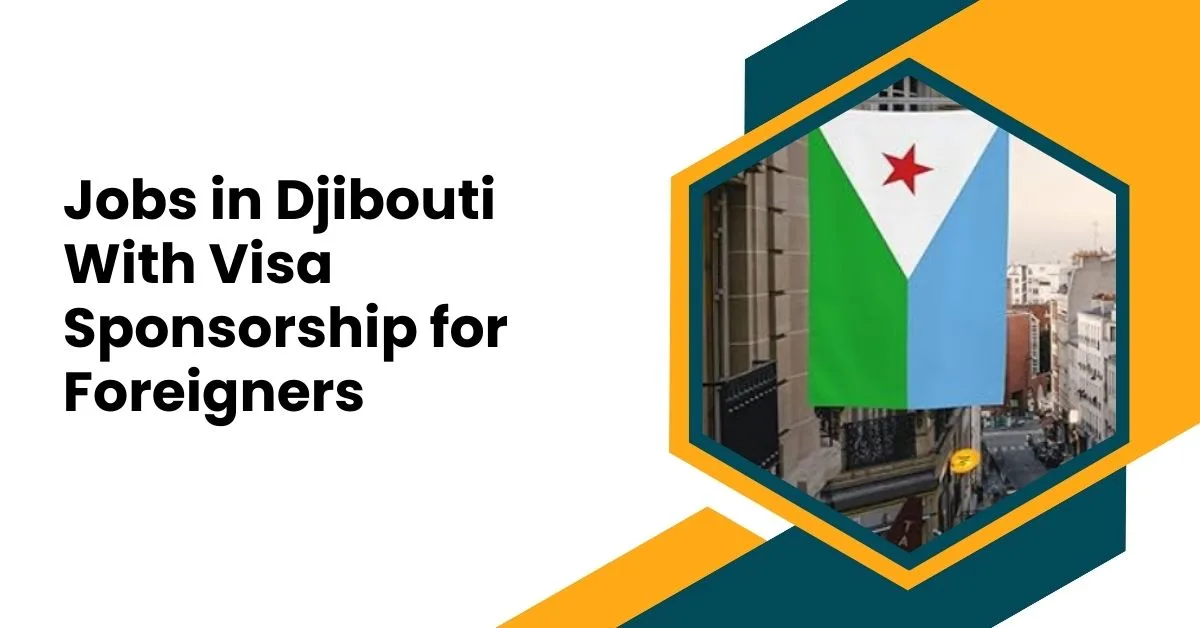
Jobs in Djibouti With Visa Sponsorship for Foreigners: Foreigners can work in Djibouti legally if they secure a job offer and obtain an entry visa, residence permit, and work permit. In visa sponsorship jobs, the employer covers relocation costs and handles most immigration paperwork. With salaries ranging from $28–$35 per hour for interpreters to $112,000–$179,000 per year
If you are looking for employer-backed opportunities, this guide explains available jobs, visa types, required documents, and application steps.
What Are Visa Sponsorship Jobs in Djibouti?
Visa sponsorship jobs are positions where a Djibouti-based employer:
- Pays for visa processing
- Covers relocation support (in most cases)
- Submits work and residence permit applications
- Acts as your legal sponsor
Because Djibouti has a small labor market (population approx. 1.1 million), employers usually sponsor foreign workers only for highly skilled or specialized roles.
Major economic activity centers around Djibouti City, especially near the port and Free Zone.
List of Jobs in Djibouti With Visa Sponsorship for Foreigners
Below are examples of roles frequently associated with employer sponsorship:
- Latent Print Examiner
- Physician for MARCENT OPCON Forces
- Medical Policy Advisor (MARCENT)
- Web Developer (TS/SCI Clearance Required)
- Java Developer
- Linux System Administrator
- Information Technology Specialist – Camp Lemonnier
- Somali Over-the-Phone Interpreter
Many technical and defense-related roles operate around Camp Lemonnier, a major international military installation.
Typical salary ranges:
- IT & defense roles: $90,000–$179,000 per year
- Medical specialists: Competitive expatriate packages
- Technical interpreters: $28–$35 per hour
Benefits of Jobs in Djibouti
- Legal Work Authorization Visa sponsorship allows you to live and work in Djibouti legally under official immigration laws.
- Access to High-Demand Sectors Opportunities exist in logistics, shipping, port management, healthcare, construction, and energy.
- Competitive Salary Packages Sponsored roles often offer attractive pay, sometimes including housing, transportation, or relocation allowances.
- Employer-Handled Work Permits Companies typically manage work permits, residency documentation, and visa processing for foreign employees.
- Job Security Through Formal Contracts Sponsored positions usually come with structured agreements outlining salary, benefits, and job terms.
- Professional Growth Opportunities Gain experience in specialized industries, multinational projects, and regional development initiatives.
- Networking Opportunities Build professional connections with local and international teams.
- Pathway to Long-Term Stay Continuous employment under sponsorship can support permit renewals and extended residency options.
- Cultural and Language Experience Exposure to French-speaking workplaces and Djiboutian culture enhances personal and professional skills.
- Relocation Support Some employers provide assistance with housing, transport, and settling-in arrangements for foreign hires.
Types of Work Visas in Djibouti
Foreign nationals must obtain three documents:
1. Entry Permit (Visa)
Required before traveling.
2. Residence Permit
Functions as a foreign national ID card.
3. Work Permit
Grants legal employment authorization.
Immigration matters are overseen by the Ministry of Interior of Djibouti.
Requirements to Obtain a Djibouti Work Visa
Before departure, you must secure an entry visa.
Passport Requirements:
- Valid for at least 6 months beyond stay
- Minimum 2 blank pages
- Yellow fever vaccination certificate
Additional Documents Required:
- Copy of employment contract
- Valid passport copy
- Long-stay visa
- Four passport photos
- Copy of Free Zone company license (if applicable)
- Formal employer request letter detailing job position
Incomplete documentation is the leading cause of processing delays.
Application Process (Step-by-Step)
Step 1: Secure Employment First
Jobs in Djibouti are limited, so most expatriates obtain a signed contract before starting visa procedures.
Step 2: Apply for Entry Visa
Contact the Djibouti embassy or diplomatic mission in your home country.
Processing time varies from 2–6 weeks depending on nationality.
Step 3: Employer Submits Work & Residence Permit
In Djibouti, the employer typically files both applications simultaneously on your behalf.
Step 4: Processing Time
Work permits generally take 7 business days once submitted locally.
Is It Easy to Get Sponsored in Djibouti?
Sponsorship is possible but competitive. Employers prefer:
- Highly specialized technical skills
- Defense or logistics expertise
- Medical professionals
- IT security clearance holders
If you lack specialized skills, securing sponsorship may be difficult due to the small domestic labor market.
Conclusion
Visa sponsorship jobs in Djibouti make it easier for foreigners to work legally while avoiding upfront visa costs. By securing a job offer first, applicants can leverage the employer’s support for relocation, residence, and work permits.
While employment opportunities may be limited, positions in IT, healthcare, security, and specialized technical roles are frequently available. Preparation, verified employment, and compliance with visa regulations are key to making your move successful. With careful planning, a career in Djibouti can be rewarding both financially and professionally.
Frequently Asked Questions
1. Can foreigners work in Djibouti with sponsorship?
Yes. Foreigners can work if a Djibouti employer sponsors their entry visa, work permit, and residence permit.
2. How long does a Djibouti work permit take?
Work permits usually take around 7 business days after submission in Djibouti.
3. What documents are required for visa sponsorship?
You need a valid passport, employment contract, long-stay visa, employer request letter, company license copy, and passport photos.
4. Do employers pay visa costs?
In visa sponsorship jobs, employers typically cover visa and relocation expenses.