If you’re looking to work abroad in agriculture, Germany offers a unique opportunity to combine hands-on farming experience with cultural immersion. Farm jobs in Germany with visa sponsorship in 2026 provide legal work authorization, competitive pay (€10.50–€14.00/hr), and often accommodation ideal for international workers seeking seasonal or permanent farm roles.
In our experience, farms in regions like Bavaria and Baden-Württemberg welcome both skilled and unskilled workers, offering training in livestock management, crop harvesting, and modern dairy techniques. Seasonal workers often live near landmarks like Neuschwanstein Castle or Black Forest orchards, blending work with exploration of Germany’s rural heritage.
Read Also: Agricultural Farm Jobs in Germany Visa Sponsorship
Details of Farm Jobs in Germany with Visa Sponsorship For Foreigners
Key Points
- Country: Germany
- Industry: Agriculture, Livestock, Horticulture
- Job Type: Seasonal & Permanent Farm Jobs
- Experience Required: Not always (training provided)
- Education Required: High school or equivalent preferred
- Visa Sponsorship: Yes
- Average Salary: €10.50–€14.00 per hour
- Employment Type: Full-time or 3–12 month contracts
- Accommodation: Often provided or subsidized
Germany’s agricultural sector is diverse. From the fruit orchards of Baden-Württemberg to the dairy farms of Bavaria, these jobs welcome workers ready to gain practical experience and contribute to sustainable European farming.
Types of Farm Jobs Available
1. Seasonal Fruit and Vegetable Picking
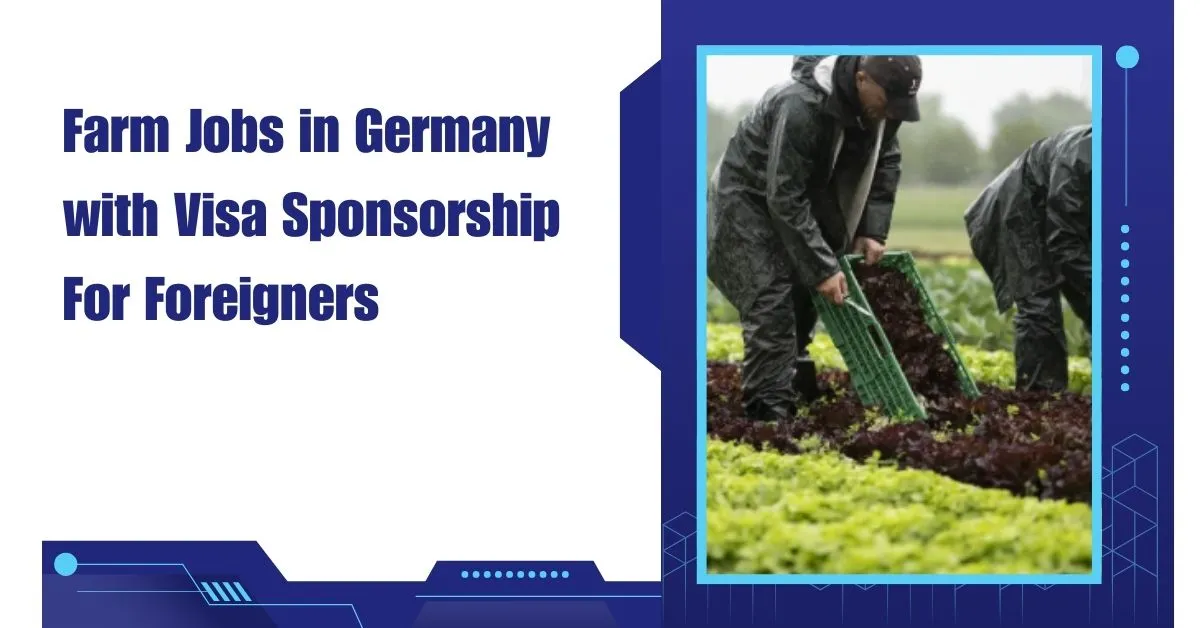
Harvesting apples, grapes, tomatoes, strawberries, and other crops. Responsibilities include sorting, packing, and preparing produce for local sale or export. Peak demand is spring to early autumn.
2. Livestock Management
Work on cattle, poultry, or pig farms with feeding, cleaning, and assisting in breeding or health monitoring. Basic training is typically provided.
3. Dairy Farming
Germany’s dairy sector is renowned worldwide. Staff assist with milking, feeding, farm maintenance, and product handling (milk, cheese, butter, yogurt).
4. Greenhouse & Floriculture Work
Roles include planting, watering, and maintaining controlled environments for flowers, herbs, and organic vegetables. Work is year-round.
5. Beekeeping & Aquaculture
Growing industries like honey production and fish farming require dedicated workers for hive management, harvesting, and aquaculture system maintenance.
Salary & Compensation
- Hourly Wage: €10.50–€14.00 before tax
- Monthly Income: €1,800–€2,400
- Overtime pay often available during peak harvest periods
- Accommodation & meals frequently included or subsidized
According to Germany’s Federal Statistical Office, seasonal farm jobs offer competitive pay above minimum wage, making them attractive for international workers seeking short-term employment or career development.
German Farm Work Visa Requirements
Foreign workers must apply for a Seasonal Work Visa (Arbeitsvisum) or a temporary work permit under Germany’s employment migration rules. Requirements include:
- Minimum Age: 18 years
- Job Offer: Valid employment contract from a German farm or approved recruiter
- Qualifications: High school or relevant experience preferred
- Language: Basic English or German proficiency
- Documents: Valid passport, medical certificate, proof of accommodation
- Registration: Register residence with Einwohnermeldeamt within 90 days
Pro Tip: Learning basic German phrases improves communication with farm supervisors and fellow workers.
Benefits of Working on a German Farm
- Visa Sponsorship: Legal work authorization during contract period
- Competitive Pay: Above-minimum wage and overtime opportunities
- Accommodation & Meals: Often included or subsidized
- Skill Development: Learn European farming methods, equipment handling, and crop management
- Cultural Exposure: Experience rural German traditions, cuisine, and lifestyle
- Networking Opportunities: Build connections with international workers
- Pathway to Re-Employment: High-performing seasonal workers are often invited for future contracts
How to Apply for Farm Jobs in Germany
- Find a Job Offer: Use government-approved recruiters or recognized agricultural job portals.
- Prepare Documents: CV, passport, proof of experience (if any), and motivation letter.
- Apply for Visa Sponsorship: The employer/agency provides the official job offer and visa initiation.
- Submit Visa Application: Apply via the German Embassy/Consulate with all required documents.
- Travel & Register: Arrive in Germany, register with local authorities, and start your role.
Challenges to Keep in Mind
- Physical Demands: Farming is labor-intensive and requires stamina
- Weather Conditions: Outdoor tasks continue regardless of rain or heat
- Language Barriers: German basics help daily communication
- Adjustment Period: Adapting to new work schedules, meals, and customs may take time
Why Choose Farm Work in Germany
Working on a German farm offers more than a paycheck. It’s a cultural exchange where you gain practical skills in livestock care, crop management, and sustainable agriculture while contributing to Europe’s food supply. Germany’s farms are known for innovation, efficiency, and ethical labor practices, ensuring a safe work environment for international employees.
Conclusion
Farm jobs in Germany for 2026 offer a robust and rewarding entry point into the European labor market for international workers. Combining the security of employer-sponsored visas with competitive wages and often-included accommodation, these roles provide both financial stability and an authentic cultural immersion. For individuals with a strong work ethic and adaptability, working on a German farm represents a valuable opportunity to gain modern agricultural skills, achieve personal savings goals, and experience life in one of the world’s most advanced and scenic countries.
Frequently Asked Questions
What is the average salary for a farm worker in Germany?
The typical wage ranges from €10.50 to €14.00 per hour, which generally results in a monthly income between €1,800 and €2,400, depending on hours worked. Overtime is often available during peak seasons.
Is prior farming experience or a degree required?
No, prior experience is not required for many entry-level and seasonal positions. Employers provide on-the-job training. A basic education is preferred, but a strong work ethic and physical fitness are the most important qualifications.
Does the employer provide visa sponsorship and accommodation?
Yes. A key benefit is employer-sponsored visa assistance for the required German work permit. Accommodation is often provided or subsidized by the farm, especially for seasonal workers in rural areas.
What types of farm jobs are most common?
Common roles include seasonal fruit and vegetable picking, livestock management, dairy farm work, greenhouse operations, and beekeeping. Jobs can be seasonal (3-12 months) or longer-term.